



July 21, 2026
Cyclosporiasis in Utah: What You Need to Know
- Family Medicine
- Urgent Care

June 30, 2026 | Cardiology • Family Medicine • Internal Medicine
Specialties:Family Medicine • General Cardiology • Internal Medicine
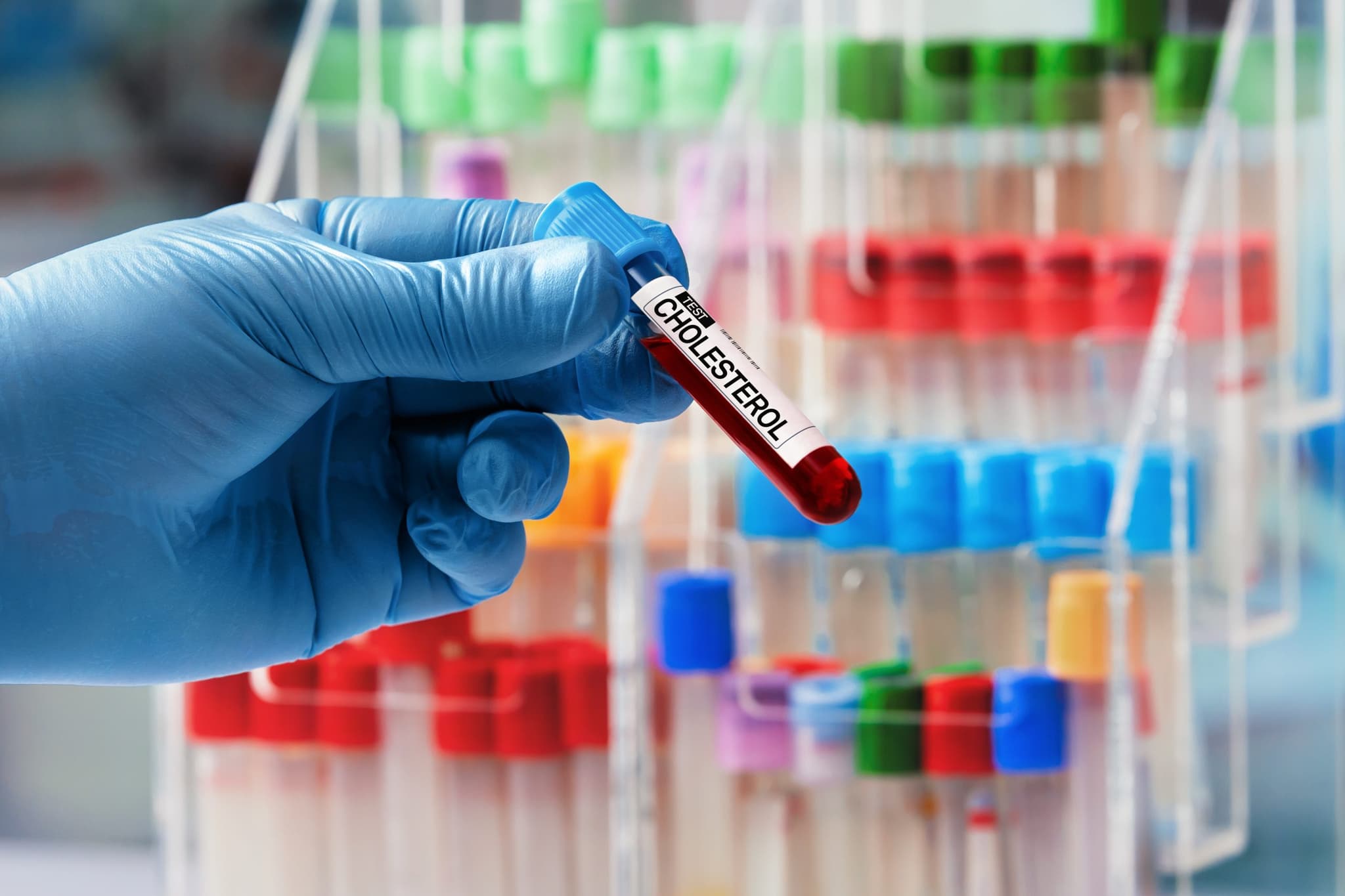
Hyperlipidemia, the medical term for high cholesterol, is a common condition where too much fat (lipid) builds up in your blood. LDL is considered the “bad” cholesterol because it can clog your arteries, while HDL is the “good” cholesterol because it helps clear cholesterol from your bloodstream. Even without symptoms, unmanaged hyperlipidemia can increase the risk of heart disease and stroke, making regular screening important.
Hyperlipedema is extremely common in the United States. According to the CDC, about 86 million adults have total cholesterol levels at or above 200 mg/dL, and nearly 25 million fall into the high-risk range. And it doesn’t just impact adults. About 7% of children and teens also have elevated cholesterol. Because hyperlipidemia typically has no symptoms, many people don’t realize they have it; this is why routine screening is such an important part of protecting long-term heart health.
Hyperlipidemia refers specifically to elevated levels of lipids, such as cholesterol or triglycerides, in the blood. Dyslipidemia is a broader term used to describe any abnormal lipid levels, including high LDL (“bad”) cholesterol, low HDL (“good”) cholesterol, high triglycerides, or a combination of these. While the terms are often used interchangeably, dyslipidemia encompasses a wider range of cholesterol imbalances. Both conditions increase the risk of heart disease and can be managed with lifestyle changes and, when appropriate, medication.
Hyperlipidemia can develop from a combination of lifestyle choices, medical conditions, and genetic factors. Some of the most common contributors include:
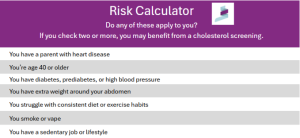
If you have risk factors for hyperlipidemia, talk with a Revere Health Cardiology provider about cholesterol screening and heart health care.
Hyperlipidemia is diagnosed through a simple blood test called a lipid panel. This test measures four key numbers that help providers understand your cholesterol and heart health: LDL (low-density lipoprotein), HDL (high-density lipoprotein), triglycerides, and total cholesterol, which reflects your overall levels. Your provider may ask you to fast before the test, depending on your health history. Regular cholesterol testing is important because high cholesterol usually has no symptoms, and early detection allows for better prevention and treatment.
Hyperlipidemia is a common condition that often has no symptoms but can significantly increase the risk of heart disease and stroke if left untreated. With early detection, healthy lifestyle changes, and appropriate medical care, cholesterol levels can be effectively managed. At Revere Health, patients have access to experienced cardiologists who specialize in heart health and can help develop personalized treatment plans to reduce cardiovascular risk and support long-term wellness.

WRITTEN BY:
Shayliah Lassen
Shayliah is currently an intern at Revere Health focusing on Digital Marketing. With a Bachelor's of Science in Business Administration and Marketing from Western Governors University, she brings a solid foundation in digital marketing to her role as a Marketing Intern. Outside of work, Shayliah enjoys baking, playing pickleball, hitting the gym, and listening to new music. These interests reflect her vibrant and dynamic approach to both her personal and professional life.
July 21, 2026
November 21, 2025

November 3, 2025

October 21, 2025
This information is not intended to replace the advice of a medical professional. You should always consult your doctor before making decisions about your health.