



October 27, 2021
Why your Next Clinical Breast Exam Should Include a 3D Mammogram
- Cancer Center
- Imaging

November 9, 2026 | Imaging
Specialties:Imaging

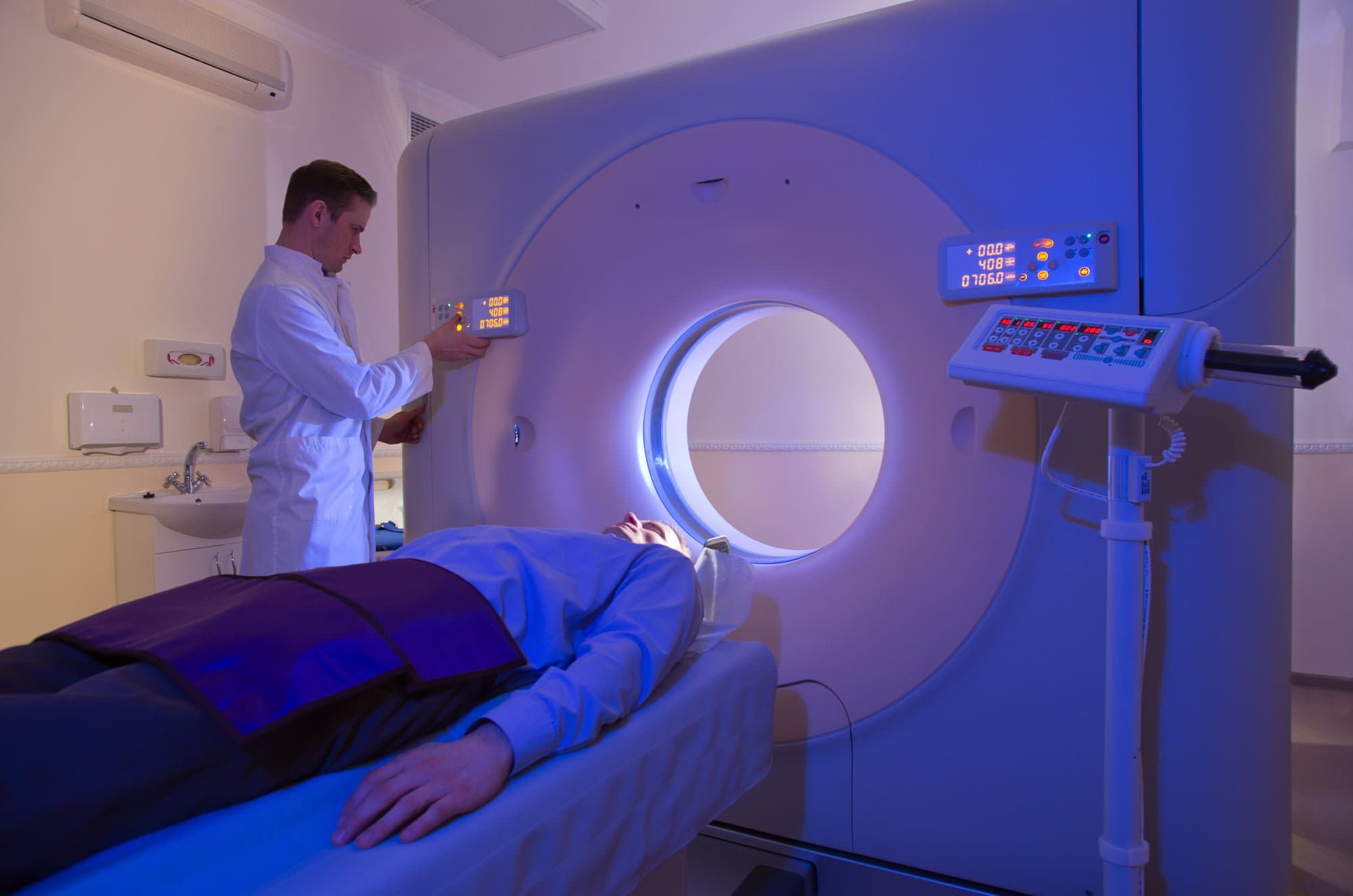
If you’ve had an X-ray in the past, you may remember wearing a heavy lead apron to protect certain parts of your body from radiation. For decades, these protective shields were a standard part of medical imaging, especially for children, pregnant patients, and people receiving X-rays near their reproductive organs.
Today, you may notice something different: Many healthcare providers no longer routinely use lead shields during X-ray examinations.
While this change might seem surprising, it’s actually the result of significant advancements in medical technology and decades of research into radiation safety. Modern X-ray equipment uses much lower radiation doses than older systems, and studies have shown that lead shielding often provides little additional protection. In some cases, it can even interfere with the imaging process.
Here’s why medical experts have changed their recommendations and what patients should know about X-ray safety.
Lead shielding became common in the 1950s as a precaution against unnecessary radiation exposure. At the time, X-ray technology required higher radiation doses than modern equipment, and researchers were concerned about the potential effects of radiation on reproductive organs and developing babies.
Lead aprons and other protective shields were designed to block X-rays from reaching certain areas of the body, particularly the ovaries, testicles, and abdomen.
Although the intention was to protect patients, medical technology and scientific understanding have advanced considerably since these practices were introduced.
In 2019, the American Association of Physicists in Medicine (AAPM) recommended discontinuing the routine use of reproductive organ and fetal shielding during diagnostic X-rays. This recommendation has been supported by leading medical organizations, including the American College of Radiology.
The reason? Research now shows that routine shielding offers little to no additional safety benefit and may sometimes create unnecessary risks.
One of the biggest reasons for this change is the improvement in medical imaging technology.
Today’s digital X-ray systems can produce detailed, high-quality images using a fraction of the radiation required by older equipment. Improved detectors, specialized filters, and precise imaging techniques allow healthcare professionals to capture the information they need while minimizing radiation exposure.
Modern imaging also follows a safety principle known as ALARA, which stands for “As Low As Reasonably Achievable.” This means using the lowest radiation dose reasonably necessary to produce an image that can help your provider make an accurate diagnosis.
Imaging professionals also carefully position patients and limit the X-ray beam to the area that needs to be examined. This helps prevent unnecessary radiation exposure to surrounding parts of the body.
Together, these advancements have greatly reduced the need for additional protective shielding during routine examinations.
Although lead shields are designed to block radiation, they can sometimes interfere with the very images your healthcare provider needs.
For example, if a shield accidentally covers part of the body being examined, it may hide important bones, organs, or other structures. This can make the image difficult to interpret and potentially require another X-ray.
Additionally, many modern X-ray machines use automatic exposure controls that adjust the amount of radiation needed to produce a clear image. If a lead shield blocks one of these sensors, the equipment may increase the radiation dose unnecessarily.
In other words, using a lead shield can sometimes result in greater radiation exposure rather than less.
Removing unnecessary shields helps imaging professionals obtain clear, accurate images while reducing the likelihood of repeat examinations.
Medical experts now have a much better understanding of how radiation affects the human body.
Historically, shielding was especially important for protecting reproductive organs because of concerns about infertility, genetic damage, and risks to future children.
However, decades of research have found no evidence that the low radiation doses used in routine diagnostic X-rays cause inherited genetic effects in humans. The radiation doses associated with standard examinations are also far below those known to affect fertility.
Another important consideration is that some radiation naturally scatters inside the body during an X-ray. An external lead shield cannot prevent this internal scattering, which limits the protection it can provide.
As a result, experts have concluded that routine shielding generally provides negligible additional benefit compared with modern radiation safety practices.
Yes. When medically necessary and performed using appropriate safety procedures, diagnostic X-rays are generally considered very safe, even without lead shielding.
The amount of radiation used during most routine X-rays is low, and the medical benefits of identifying an injury or diagnosing a condition typically outweigh the small potential risks associated with radiation exposure.
Healthcare professionals continue to follow established safety practices, including:
These precautions remain essential regardless of whether a lead shield is used.
Although lead shielding is no longer recommended as a routine practice for most patients, there are special circumstances in which protective equipment may still be appropriate.
Pregnant patients: Pregnancy does not automatically mean a lead shield is necessary. Modern imaging guidelines generally discourage routine fetal shielding because it offers little additional protection and can interfere with imaging. However, patients who are pregnant or think they may be pregnant should always inform their imaging technologist before an examination. The healthcare team can evaluate the procedure, minimize exposure, and determine whether additional precautions are appropriate.
Children: The same recommendations regarding routine shielding generally apply to children. However, because children are more sensitive to radiation, imaging professionals use techniques and exposure settings appropriate for their size and the examination being performed. Special precautions may be considered when clinically appropriate, but shielding is not routinely recommended simply because a patient is a child.
Patients who request additional protection: Some patients may feel more comfortable with a protective shield. Depending on the imaging facility’s policies and the type of examination, shielding may be considered if it can be positioned safely without interfering with image quality or equipment operation. Patients are encouraged to discuss any concerns with their imaging team.
Caregivers and medical personnel: Lead aprons remain important for people who must stay in an X-ray room during an examination, including medical staff and caregivers assisting patients who need additional support. These individuals are not receiving the X-ray for a medical benefit, so protective equipment helps reduce unnecessary exposure.
Specialized imaging procedures: Certain procedures, including some fluoroscopy-guided interventions, may require additional radiation protection. Protective aprons, thyroid collars and other equipment may be used for medical personnel or others in the room, depending on the procedure. Shielding practices may also be influenced by applicable regulations and facility protocols.
It’s understandable for parents to have additional concerns about radiation exposure when their child needs medical imaging.
Children are generally more sensitive to radiation than adults, making it especially important to minimize unnecessary exposure. Fortunately, modern X-ray equipment allows imaging professionals to adjust radiation doses based on a child’s size and the area being examined.
The same recommendations regarding routine lead shielding generally apply to children. Because shields can interfere with imaging and potentially require repeat examinations, medical experts recommend prioritizing proper positioning, appropriate radiation settings, and high-quality images over routine shielding.
If your child needs an X-ray, don’t hesitate to ask the imaging team about the precautions being taken to keep the examination safe.
The decision to move away from routine lead shielding doesn’t mean healthcare professionals are taking radiation safety less seriously. In fact, it reflects the opposite.
As medical technology advances and researchers gain a better understanding of radiation exposure, healthcare recommendations evolve to reflect the latest scientific evidence.
Today’s X-ray examinations are designed to provide clear, accurate diagnostic images while keeping radiation exposure as low as reasonably achievable.
The next time you need an X-ray, don’t be surprised if your technologist doesn’t provide a lead apron. The absence of a shield doesn’t mean an absence of protection. Instead, it reflects modern safety practices designed to deliver the information your healthcare provider needs while minimizing unnecessary radiation exposure.
If you have questions about your upcoming X-ray, talk with a Revere Health provider or imaging technologist. They can explain the procedure, address your concerns, and help you feel confident about your care.
WRITTEN BY:
The Live Better Team
October 27, 2021
October 15, 2019

April 22, 2019

December 26, 2017
This information is not intended to replace the advice of a medical professional. You should always consult your doctor before making decisions about your health.