


June 27, 2019
Your Urologic Health – Signs You Should Not Ignore
- Urology

May 29, 2017 | Urology
Specialties:Adult and Adolescent Medicine • Urology
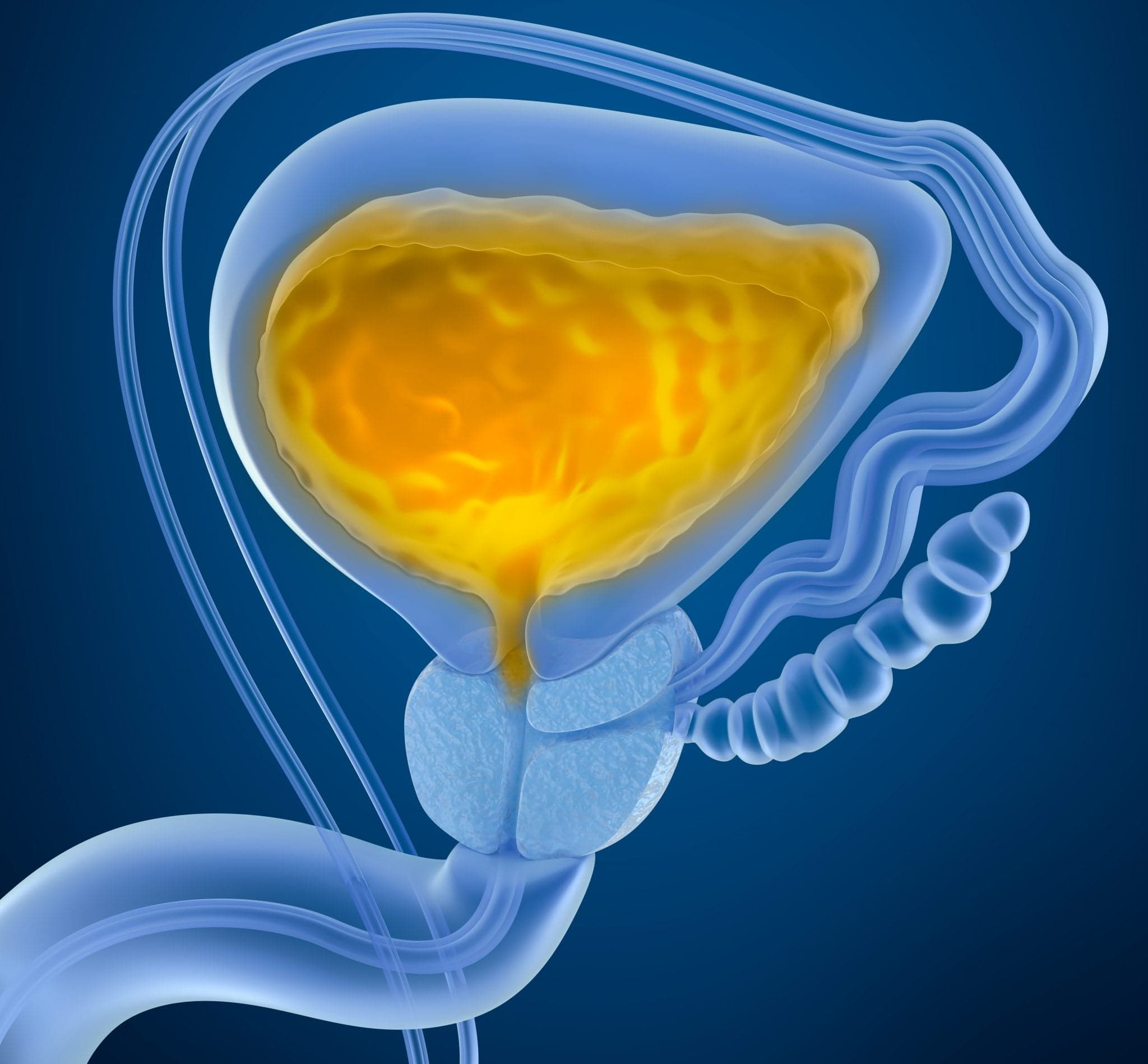
The bladder controls many of our urinary functions, so problems with the bladder can cause problems with urination. One such problem is called overactive bladder, a condition that causes the sudden urge to urinate.
The urge is often very difficult to stop, and it can lead to involuntary urine loss (also called urge incontinence). Overactive bladder can lead to embarrassment and other complications, but there are also strategies you can take to combat overactive bladder.
Overactive bladder can cause the following symptoms:
If these symptoms reach a point where they disrupt your everyday life, speak to your doctor about treatment options. Complications for overactive bladder include:
Overactive bladder involves muscles in the bladder contracting involuntarily, even when urine in the bladder is low. There are several possible causes of these contractions:
Factors that increase your risk for overactive bladder include age and cognitive decline, which makes it harder for the bladder to understand signals from the brain.
There are several strategies to help prevent overactive bladder, and for some people, using a combination is most effective. Some of these strategies include:
In addition, many people find success reducing symptoms through limiting foods and drinks that can irritate the bladder. Ask your doctor about these kinds of items and how much fluid you need daily—not drinking enough may seem like it will solve the problem, but in reality, it can concentrate the urine and increase your urge to urinate by irritating the bladder lining.
There are a few other basic lifestyle choices that can help prevent overactive bladder:
If you’re showing signs of an overactive bladder and these symptoms are interfering with daily life or making you uncomfortable, speak to your doctor about your options.
“Overactive bladder.” The Mayo Clinic. http://www.mayoclinic.org/diseases-conditions/overactive-bladder/home/ovc-20311819
“Treatment Options for Overactive Bladder” WebMD. http://www.webmd.com/urinary-incontinence-oab/overactive-bladder-treatment-finding-best-options#1
WRITTEN BY:
The Live Better Team
This information is not intended to replace the advice of a medical professional. You should always consult your doctor before making decisions about your health.